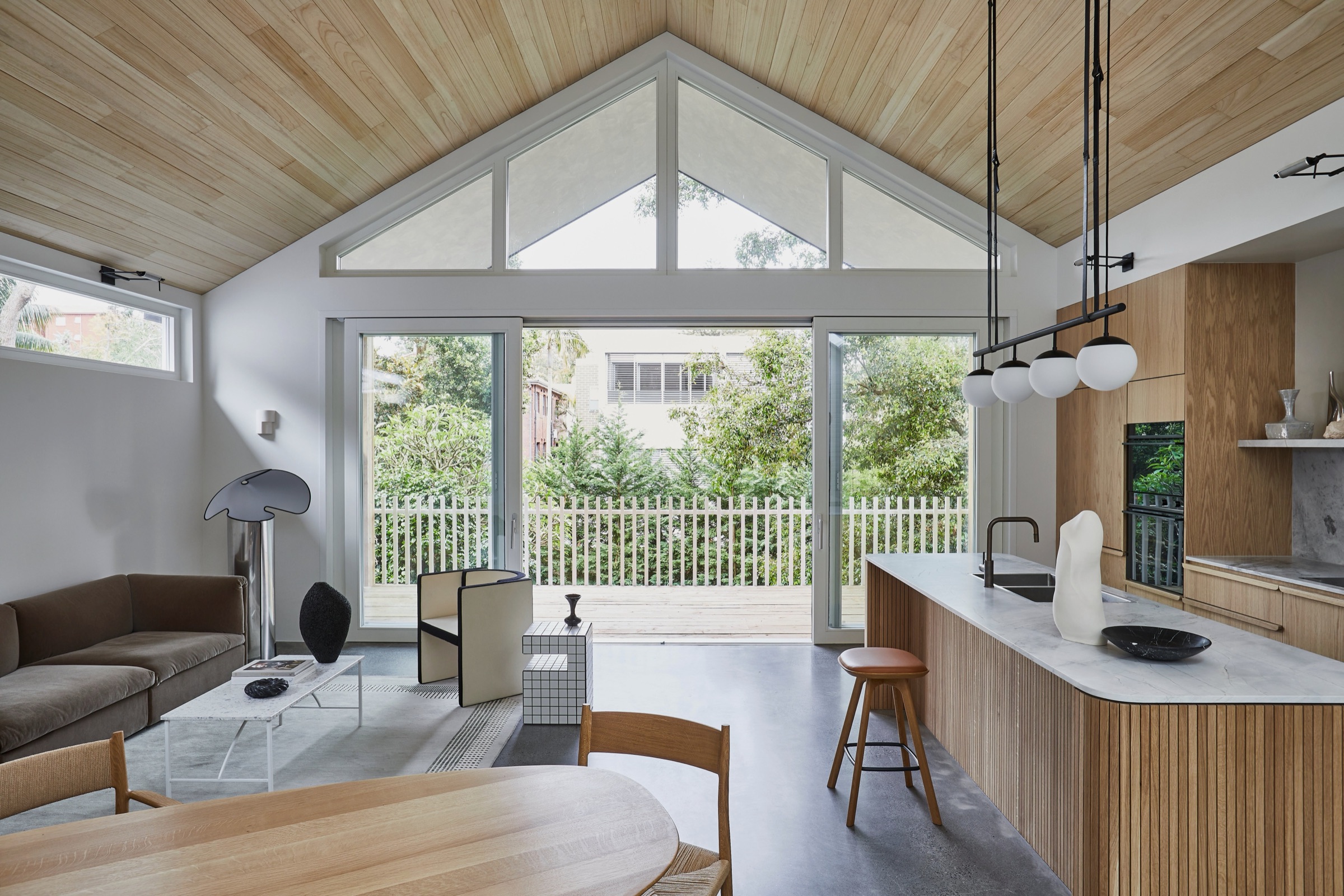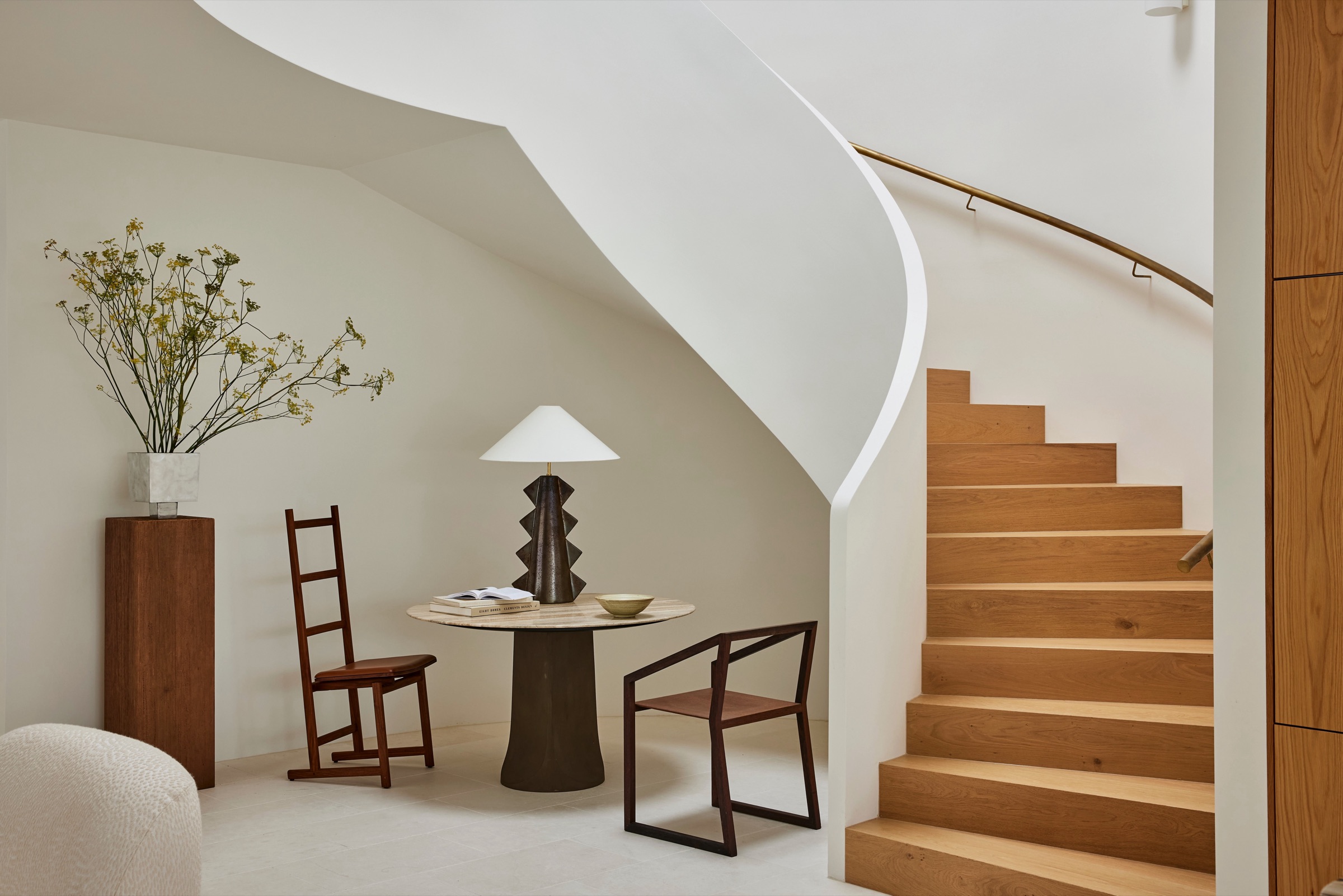
Timber softens a coastal home like nothing else. Choosing the right species, finish and detail helps it age gracefully in salt air and sun.
Timber brings warmth to homes shaped by light and water. On the coast, it also has to stand up to salt, sun and humidity — so the choices made at design stage matter as much as the look.
Inside
Indoors, timber is protected from the weather but not from daily life. Floors, stairs and joinery need finishes suited to wear: oils give a natural, repairable surface that can be refreshed over time; harder coatings resist marks but are more involved to repair. Engineered boards can offer extra stability in rooms with large changes in temperature and humidity.
Outside
Exposed timber — decks, cladding, screens and battens — works hardest. Some species weather naturally to a silver-grey if left uncoated, which many people love; others need regular oiling to keep their colour. Deciding which look you want determines both the species and the maintenance commitment.
Detailing for longevity
How timber is fixed and ventilated often matters more than the species itself. Allowing boards to breathe and drain, using fixings suited to coastal conditions, and keeping end grain protected all help timber last.
Pairing materials
Timber sits naturally alongside stone, render and linen. A warm timber ceiling above a pale floor, or oak joinery against honed stone, can give a coastal home its calm, grounded feel.
Chosen and detailed well, timber is one of the few materials that looks better after years of use than on the day it is finished.