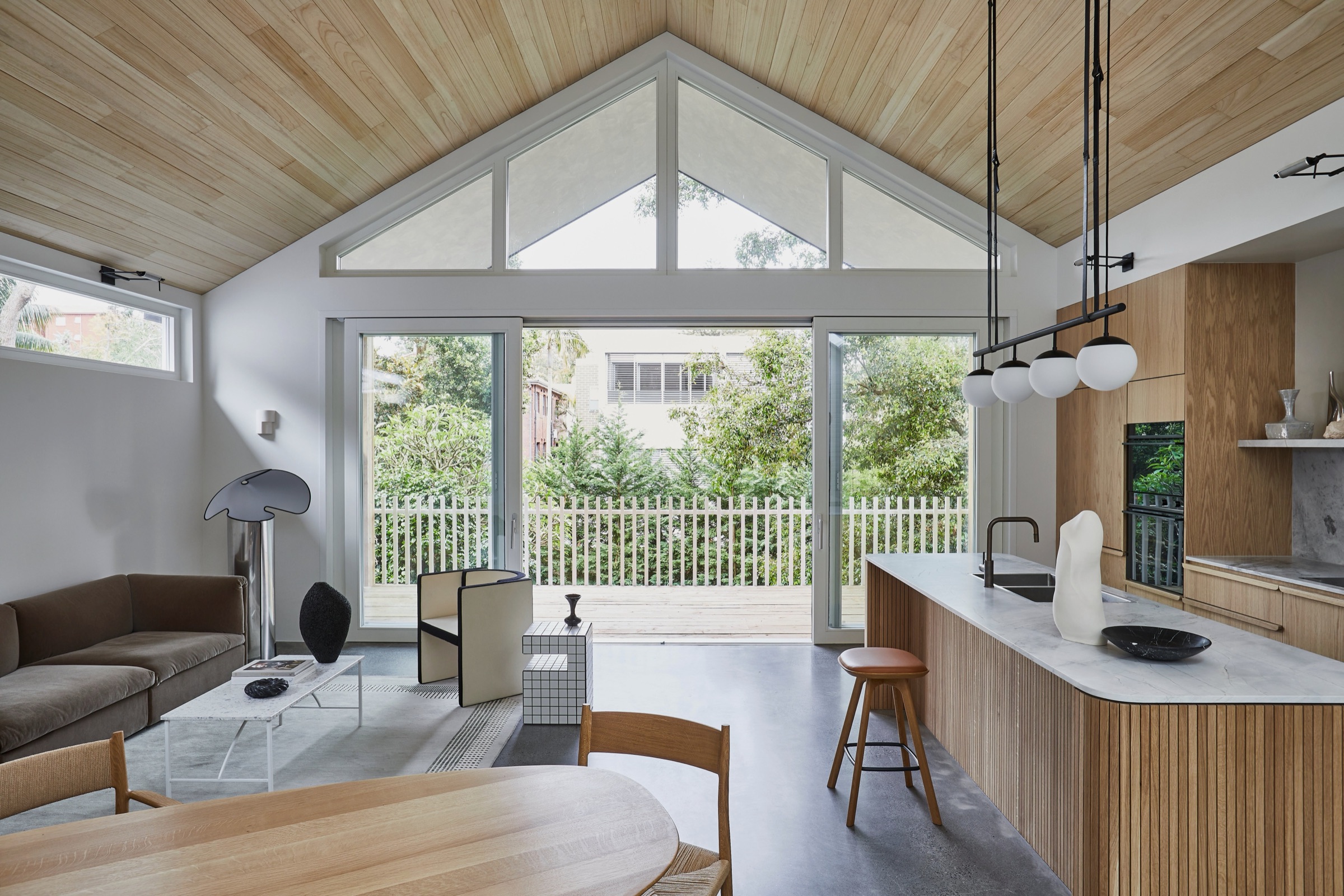
The decisions that shape cost and buildability are made long before a site is set up. Involving your builder during design gives those decisions a practical test.
Most people meet their builder once the drawings are finished and priced. By then, the design has already settled hundreds of questions about structure, sequence and cost — often without anyone who will build it having looked at them.
Engaging a builder during design changes that. The architect still leads the design; the builder simply joins the conversation early enough to be useful.
What a builder adds at design stage
A builder reads drawings for how they will be put together. How does this steel arrive on a narrow street? Where does the waterproofing turn at this threshold? Can this joinery be installed before the stone, or does it need to wait? Asked early, these questions shape a better detail. Asked on site, they become variations.
Early involvement also gives you a clearer picture of cost while there is still room to respond. If an element is running over budget, it can be refined on paper rather than cut from the project later.
Protecting the design intent
The aim is not to value-engineer a house into something plainer. It is the opposite: understanding the build well enough that the important moves — the proportion of a room, the way light enters, the materials you touch every day — can be protected when choices have to be made.
When to start the conversation
Ideally while the design is still developing, before documentation is finalised. Even a single early meeting over concept drawings can surface site access, sequencing or structural questions that are simpler to resolve now than later.
If you are working with an architect and would like to talk through your project, we are always happy to meet early.