Marble, travertine and limestone each age differently. Choosing well starts with how a room will actually be used.
Natural stone brings a depth that manufactured surfaces rarely match. It also changes over time — and that is part of its appeal, provided you choose a stone whose character suits the way you live.
Marble
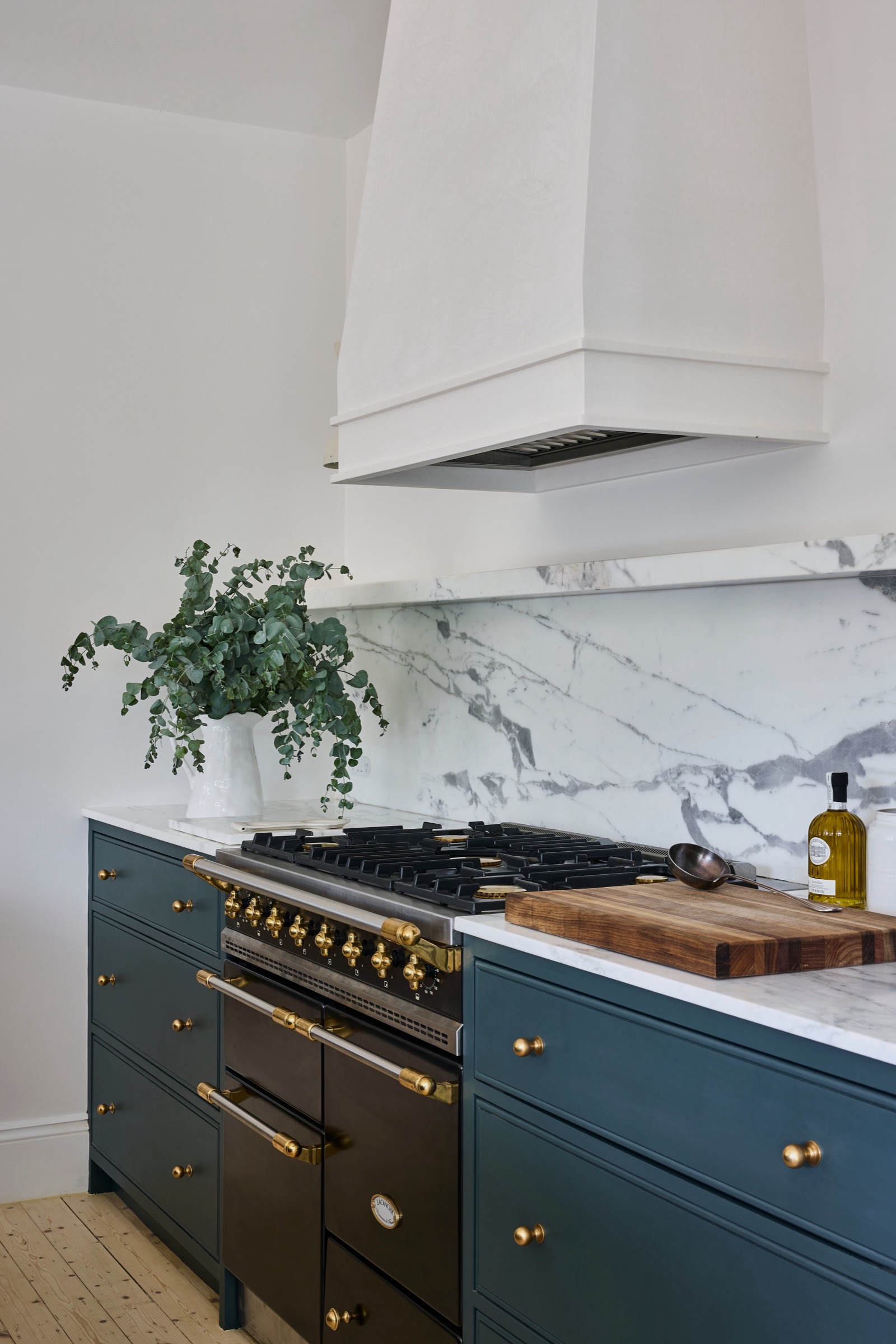
Marble is prized for its veining and the soft light it holds. It is also relatively soft and reactive to acids, so on a kitchen bench it will etch and mark with use. Many people come to love that patina; others would rather keep marble to splashbacks, bathrooms and fireplaces, where it is admired more than it is worked.
Travertine
Travertine is warm, textured and naturally porous, with small voids that are usually filled during fabrication. It suits floors, walls and outdoor areas beautifully, and its muted tones sit comfortably alongside timber and linen.
Limestone
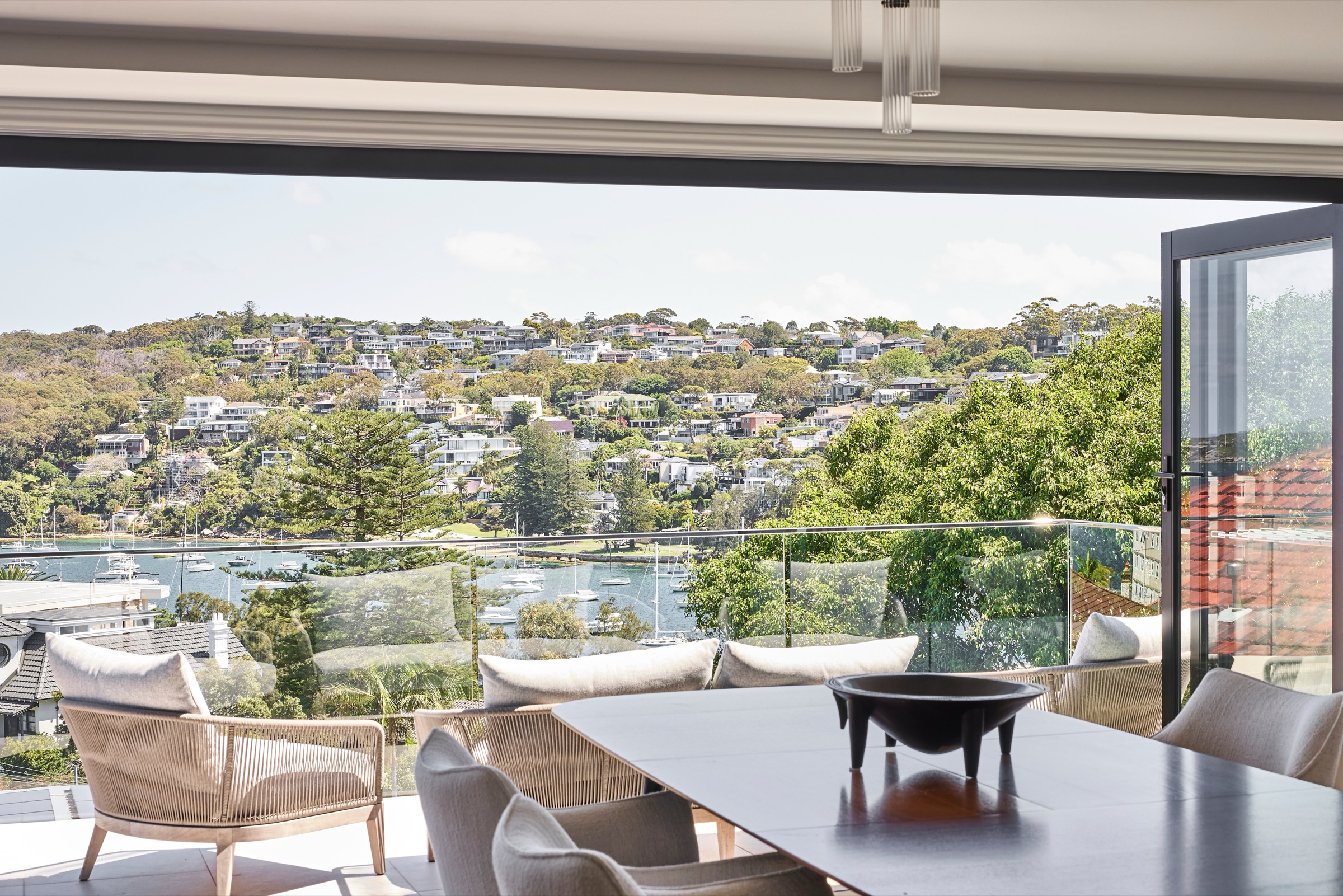
Limestone offers a calm, even surface with subtle movement. It is well suited to floors and walls that want quiet texture rather than bold figure, and it pairs naturally with coastal light.
Finishes and sealing
Honed finishes read softer and hide wear better than polished ones; polished surfaces show off colour and veining but also show marks. Most natural stone benefits from sealing and periodic re-sealing — worth building into your maintenance plan from the start.
Seeing the slab
No two slabs are the same. Where possible, visit the supplier and select the actual slabs for your project, and ask how the pieces will be laid out so that veining flows where it matters — across a bench, up a splashback, around a corner.